Exploring the Coastal Soul of the St. Jacobs Portuguese Walk: Oia to SantiagoYour Attractive Heading
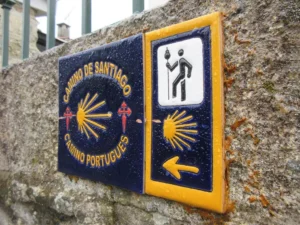
Are you looking for a unique pilgrimage? The St. Jacobs Portuguese Walk (Camino Portugués) offers many beautiful paths. However, few are as striking as the route from Oia into the Rías Baixas. This journey moves from wild Atlantic shores to lush forests. It provides a perfect view of Galicia’s diverse landscape and deep history.
Find your tour and begin your adventure.
Starting by the Sea: The Monastic Route
The journey begins in the village of Oia. This town is home to the Royal Monastery of Santa Maria de Oya. This 12th-century marvel sits directly on the rugged coastline. Local legend says the monks were brave defenders. They used the monastery’s position to ward off pirate attacks.
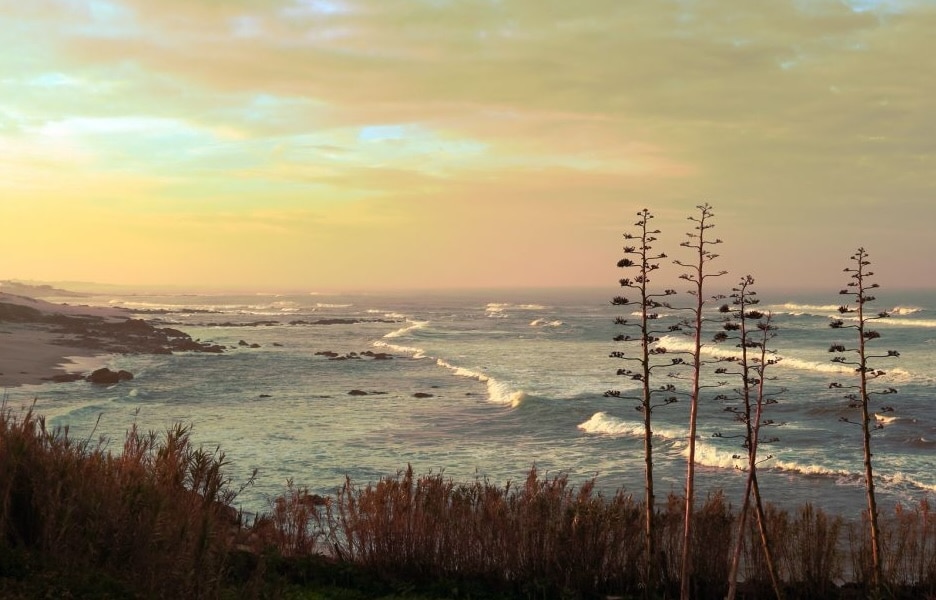
As you walk north toward Baiona, the path follows coastal footpaths and modern boardwalks. This stretch offers uninterrupted views of the Atlantic Ocean and the distant Cies Islands. Baiona holds a major place in maritime history. It was the first port to hear news of the “New World” in 1493.
The Transition to the Rías Baixas
Leaving Baiona, the trail leads toward Vigo. You will spend much of this day alongside sandy beaches. There are many local cafes where you can watch the surf.
In Redondela, the coastal path merges with the traditional Central Way. This is a pivotal point on the St. Jacobs Portuguese Walk where the ocean views give way to the “true” Galicia:
- Lush Eucalyptus Forests: Shaded, fragrant trails that provide a cool canopy for walkers.
- Ponte Sampaio: A historic stone bridge where local forces famously defeated Napoleon’s troops.
- Pontevedra: A city known for its vibrant, pedestrianized old town and the unique round chapel of the Virgin Pilgrim.
Therapeutic Waters and Ancient Traditions
Further inland, you reach Caldas de Reis. This town has been famous for thermal springs since Roman times. You can still find public fountains here. Hot mineral water flows naturally from the earth. It is a welcome relief for tired feet.
The penultimate stop is Padrón, a town deeply entwined with the legend of St. James. It is said that the stone boat carrying the Apostle’s body first arrived here from Jerusalem. Beyond its spiritual significance, Padrón is world-renowned for its tiny green peppers, which are a staple of Galician cuisine.
The Final Approach to Santiago
The last day begins with an immersive climb through small hamlets. Specifically, during this stretch, you will see the Baroque sanctuary of A Esclavitude. Furthermore, you will also pass the ancient hilltop ruins of Castro Lupario as you progress.
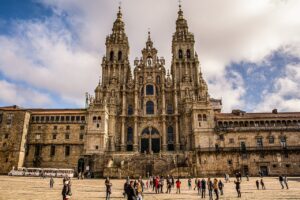
Soon after these ruins, you will reach Agro dos Monteiros, where the first sight of the Cathedral appears. Consequently, as the spires rise high on the horizon, the excitement of the journey peaks. This final walk through medieval streets marks the end of your pilgrimage. In conclusion, you have seen the very best of Galicia’s coast and countryside.
Ready to start your Camino adventure?
Visit https://www.caminocompanions.com/tours-list or contact us directly. The Way awaits.